Gulf Coast Intermodal Dispatch & Logistics 2026
The Heavyweight Capital of Logistics
The Gulf Coast ignores standard limits. While other regions prioritize speed or retail distribution, the Gulf Coast (Energy Belt) is built for mass. This is the global epicenter of the petrochemical and resin industry, where a "standard" 40,000 lb load is the exception, not the rule.
Success here requires a different kind of operational physics. It demands equipment that can legally haul 50,000+ lbs of cargo, drivers who hold Hazmat and Tanker endorsements, and dispatchers who understand the lethal congestion of the "Texas Triangle."

From securing HB 2060 Overweight Permits in Texas to navigating the hurricane protocols of New Orleans, we provide the specialized infrastructure needed to move the heaviest, most sensitive freight in America.
Intermodal Drayage Dispatch Region Expertise
Built on exhaustive research of the nation's primary corridors, our dispatch service adapts to the specific infrastructure demands of each major port and rail ramp.
The West Coast (Pacific Gateway)
The East Coast (Atlantic Gateway)
Gulf Coast Cities Expertise
Our Gulf Coast strategy focuses on the "Energy Belt," providing specialized dispatch tailored to a massive landscape of liquid bulk, project cargo, and petrochemical-heavy intermodal lanes. In 2026, we bridge the gap between deep-water shipping channels and the inland industrial corridors by navigating the strict Hazmat security protocols and tropical weather-driven gate closures that define this critical southern grid.
Gulf Coast Intermodal Drayage Region Directory
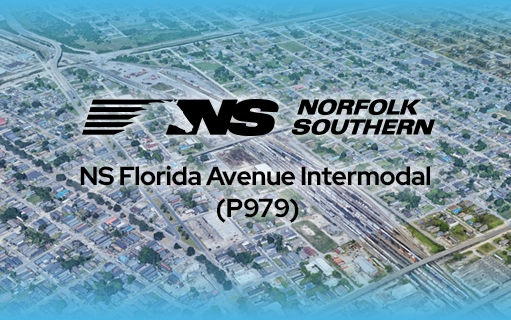
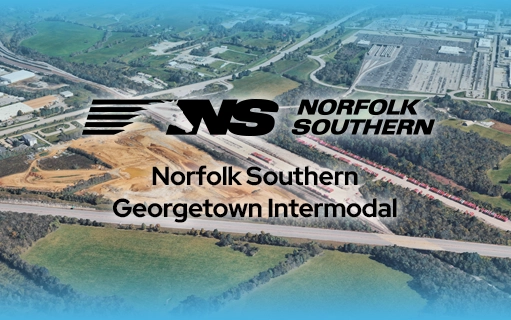
This is your command center for the Energy Belt. We have mapped every major Class I Rail Ramp and Deepwater Port from the Texas Triangle to the Alabama coast.
Consult the table below to validate terminal names and locations, ensuring your fleet is routed to the correct gate every time.
The Gulf Coast Corridor Network
The Gulf Coast grid is defined by two massive arteries: the 'Chemical Coast' (I-10) and the 'Texas Triangle' (I-45/I-35). In this region, your biggest enemies aren't tolls; they are bottlenecks and gross vehicle weight.
The triangle connecting Houston, Dallas, and San Antonio is the single busiest freight corridor in the South, requiring precise scheduling to avoid rush-hour lockups.
Gulf Coast Regulatory Compliance & Risk (Final)
Introduction: The Energy Belt operates on a different set of physics. Here, the primary risks are not just weight, but Certification, Seasonality, and Routing. A dispatcher who applies generic rules to this region will face immediate impoundment.
Heavy Haul & Weight Protocols
- Texas Overweight Permits (HB 2060) ↗
- The Law: Allows up to 84,000 lbs GVW on state/county roads.
- The Risk: The Interstate Trap. Strictly invalid on Interstates (I-10/I-45). You must route via service roads.
- Louisiana "Super-Heavy" Container Permits ↗
- The Law: Allows up to 100,000 lbs GVW (6-axle) for international sealed containers.
- The Update (2025/26): "Registered Route" Mandate. As of late 2025, you cannot just buy the permit; you must technically "register" the specific route in the LaGeaux system before moving.
- The Risk: Equipment Mismatch. Requires Tri-Axle Chassis. A standard chassis is illegal for this weight.
Hazmat & Routing Restrictions
- Mobile, AL: Wallace Tunnel Ban (I-10) ↗
- The Law: STRICTLY PROHIBITS Hazmat in the George C. Wallace Tunnel.
- The Risk: GPS Failure. Drivers must manually detour via the Cochrane-Africatown Bridge. Violations lead to immediate arrest/fines.
- Houston, TX: The 610 Loop Mandate ↗
- The Law: Hazmat trucks are banned from downtown Houston (I-45/Hwy 59).
- The Risk: The Downtown Trap. You must use the I-610 Loop. The HPD Truck Enforcement Unit targets this zone daily.
Specialized Cargo Certifications (New)
- Alabama Metal Coil Certification (Rule 760-X-1-.16) ↗
- The Law: Unique to Alabama. Any driver transporting metal coils (common in Mobile) must hold a specific "Metal Coil Certificate" (or endorsement) proving they know securement laws.
- The Risk: Driver Out-of-Service. A CDL alone is not enough. If stopped with coils and no certificate, the driver is placed Out of Service immediately.
Seasonal & Environmental Triggers (New)
- Louisiana Mardi Gras Restrictions ↗
- The Law: During Mardi Gras season (Feb/Mar), heavy trucks are legally banned from operating in specific Parishes (Orleans, Jefferson, etc.) and French Quarter zones.
- The Risk: The "Parade" Trap. This is not just traffic; it is a legal ban. Dispatchers must blackout these dates or route strictly around the metro area.
- New Orleans Flood Gate Protocols ↗
- The Law: When the Mississippi River hits 15ft (Carrolton Gauge), the Corps of Engineers closes the flood gates.
- The Risk: Total Access Cut. All rail/road access to the port is physically severed.
Port Access & Customs
- Port Houston: Express Pass & Clean Trucks ↗
- The Law: Requires Express Pass reservation + 2013+ Engine Year (tightening to 2014+ soon).
- U.S. Customs "In-Bond" (Form 7512) ↗
- The Law: Mandatory paper trail for uncleared cargo moving near the Mexican border.
Command the Energy Belt
The Gulf Coast operates on chemistry, mass, and volatility. Standard dispatch strategies fail here, where a single weight or Hazmat error risks immediate legal impoundment.
From the Texas Triangle to Louisiana's export corridors, we ensure total compliance. Your freight remains legal, safe, and moving without delay.
-Thumbnail.webp)